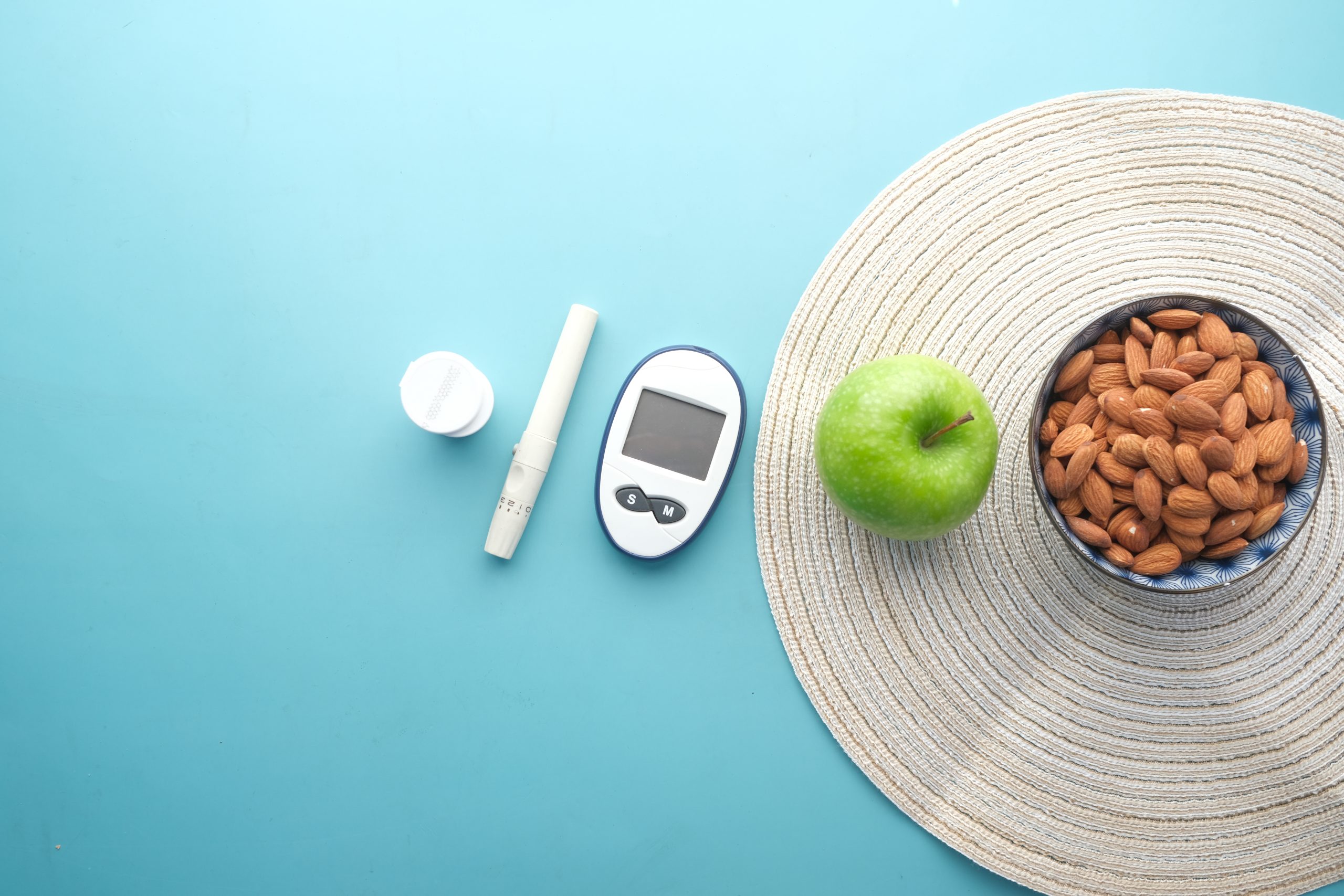
Diabetes Prevention: 7 Tips for Taking Control
Did you know that, according to the International Diabetes Federation, nearly 26.7% of adults in Pakistan were living with diabetes in 2022, translating to a
 Skip to content

You realize there is a problem only after the package is in your hands. Maybe the doctor changed the dose. Maybe the patient was admitted to the hospital. Maybe the medicine was ordered in good faith, but now you are asking the same urgent question: can prescription medicines be returned?
In most cases, prescription medicines cannot be returned once they have been dispensed and delivered. That rule can feel frustrating, especially when the medicine is costly or hard to source, but it exists for a serious reason. Pharmacies cannot usually resell returned prescription items because they can no longer guarantee storage conditions, product integrity, or patient safety after the package leaves controlled handling.
Prescription products are different from general retail goods. A shirt can go back on a shelf if it is unopened. A prescription medicine cannot be treated the same way.
Once a medicine reaches a customer, the pharmacy loses full visibility into how it was stored. Temperature-sensitive items may have been exposed to heat. Blister packs may look untouched but still have been handled improperly. Even if the seal appears intact, there is no practical way to verify whether the product remained within the required conditions throughout transport and after delivery.
That is why pharmacies and health authorities generally follow a strict non-return policy for prescription medicines. The rule protects patients first. It also protects the medicine supply chain from tampering, contamination, and accidental misuse.
This matters even more for specialty therapies, imported brands, injectables, transplant medicine, oncology support products, and chronic care treatments. These medicines are often expensive, sensitive, and prescribed for very specific patient needs. Safety standards have to stay strict.
Sometimes, yes – but only in limited circumstances. The better question is not just can prescription medicines be returned, but when a pharmacy may accept responsibility for a problem.
If the error is on the pharmacy side, the response may be different. For example, if the wrong medicine was sent, the wrong strength was packed, the product arrived damaged, or the item was near expiry despite being sold as normal stock, you should contact the pharmacy immediately. In those cases, the issue is not a simple customer return. It is a dispensing, packing, or delivery problem that the seller should review urgently.
The same may apply if a shipment arrives with visible damage, broken seals, or evidence that cold-chain handling was not maintained for temperature-sensitive medicine. Pharmacies may not always ask for the item to be physically returned for resale. Instead, they may investigate, request photos, arrange replacement, or issue another form of resolution according to their policy.
The key difference is this: a standard change-of-mind return is usually not allowed, but a documented pharmacy or delivery error may qualify for support.
Many patients and caregivers ask for a return because the situation changed after ordering. That is understandable, but it does not always make the medicine returnable.
If the doctor changed the prescription after purchase, the medicine was ordered in the wrong quantity, the patient no longer needs it, or a family member purchased the wrong item by mistake, pharmacies usually cannot take it back. The same applies if the medicine was opened, partially used, or stored outside recommended conditions.
This can be especially difficult when buying costly specialty medicines. Still, the pharmacy cannot safely reintroduce that product into stock for another patient. In healthcare, safety rules often override convenience.
A common assumption is that an unopened pack should be returnable. From a patient perspective, that sounds reasonable. From a pharmacy perspective, unopened does not always mean verifiable.
An outer carton may look perfect, but the pharmacy still cannot confirm where the product was kept, whether it was exposed to moisture or heat, or whether it remained secure after delivery. For original imported medicine, these concerns can be even more important because authenticity and handling standards are part of the product value.
So if you are wondering whether an untouched box changes the answer, the reality is that it may not. Safety and traceability usually matter more than appearance.
The best way to avoid a return problem is to reduce the chance of ordering the wrong item in the first place. For prescription-based products, a few checks before checkout can save time, money, and treatment delays.
Confirm the exact brand, strength, dosage form, and quantity on the prescription. Make sure the patient still requires the medicine and that the doctor has not updated the treatment plan. If the medicine is an injectable, imported brand, or chronic therapy product, double-check storage requirements and delivery timing as well.
If anything is unclear, ask the pharmacy before placing the order. That is especially useful when medicines have similar names, multiple strengths, or different pack sizes. A trusted online pharmacy should be clear about prescription status, product details, and any return limitations before dispatch.
Act quickly. Delay can make it harder for the pharmacy to assess what happened.
Check the label, strength, quantity, and condition of the item as soon as it arrives. If there is any issue, keep the packaging, invoice, and prescription copy available. Take clear photos if the parcel is damaged, the seal is broken, or the wrong item was delivered. Then contact customer support right away and explain the problem in simple terms.
A useful message includes the order number, patient name, medicine name, batch if visible, and a short description of the issue. The faster you report it, the better the chance of a practical resolution.
Online pharmacies generally treat return requests for prescription products through policy review rather than open retail returns. That means they may first verify whether the product was correctly dispensed, whether the complaint was reported within an allowed window, and whether the item falls under a non-returnable category.
For legitimate errors, the pharmacy may offer replacement, refund review, or another corrective step. For customer-side changes, the answer is often no return, even if the medicine is expensive. That may feel strict, but it is consistent with how responsible pharmacy operations manage patient safety.
For a service focused on hard-to-find and imported medicines, this standard matters even more. When patients rely on authentic stock and proper handling, the return process cannot work like ordinary e-commerce.
The same safety logic generally applies in Pakistan as it does elsewhere. Whether the medicine is sourced locally or imported, once a prescription product has been dispensed and delivered, resale is usually not appropriate. What matters most is the pharmacy’s published policy, the condition of the product on arrival, and whether the issue came from the seller or from a change in the patient’s situation.
That is why it makes sense to buy from a pharmacy that clearly states prescription controls, product authenticity, and complaint handling steps. If you are ordering sensitive therapy online, clarity before purchase is just as important as availability.
Treat every prescription medicine order as final unless there is a verified problem with what was sent. That mindset helps set the right expectation from the start.
Before paying, confirm the prescription, patient need, and product details carefully. After delivery, inspect the package immediately. If there is an error, report it fast. If there is no error and the treatment changed later, a return is usually not possible.
For families managing chronic illness, specialty treatment, or expensive imported medicines, that may sound strict, but it is part of safe pharmacy practice. A reliable seller should make the process clear, and a careful buyer should verify details before ordering. When both sides do that well, fewer problems happen and patients get the right medicine with less delay.
If you are ever unsure, pause before checkout and ask the pharmacy to confirm the exact product – that one extra step is often more valuable than any return policy.
Did you know that, according to the International Diabetes Federation, nearly 26.7% of adults in Pakistan were living with diabetes in 2022, translating to a
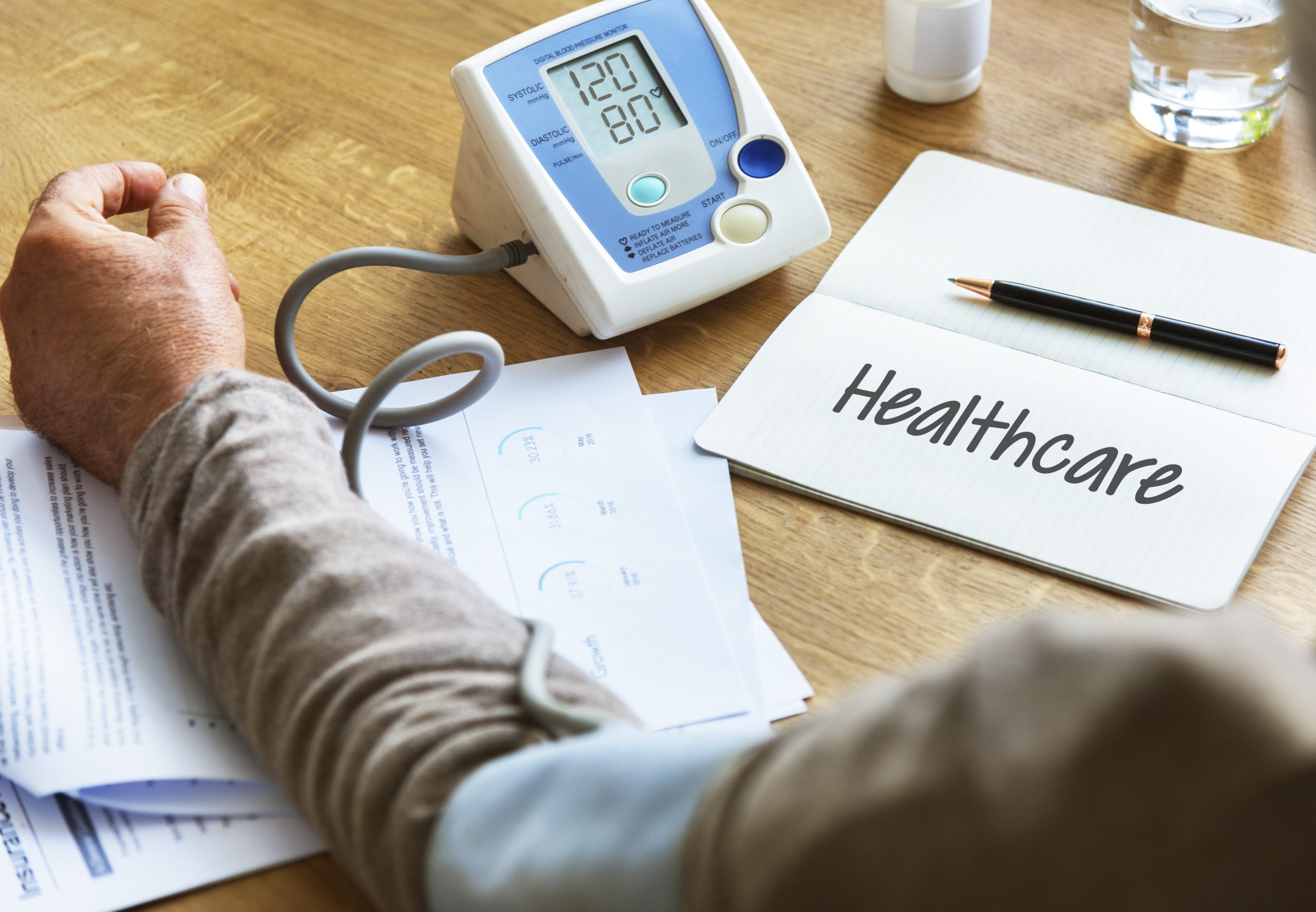
Your heart has been working tirelessly since birth, pumping the blood through arteries into your body without rest. When the pressure inside the walls of

It’s normal to feel frustrated and even disappointed when you’re struggling to last longer in bed. It can feel like there’s this invisible pressure to
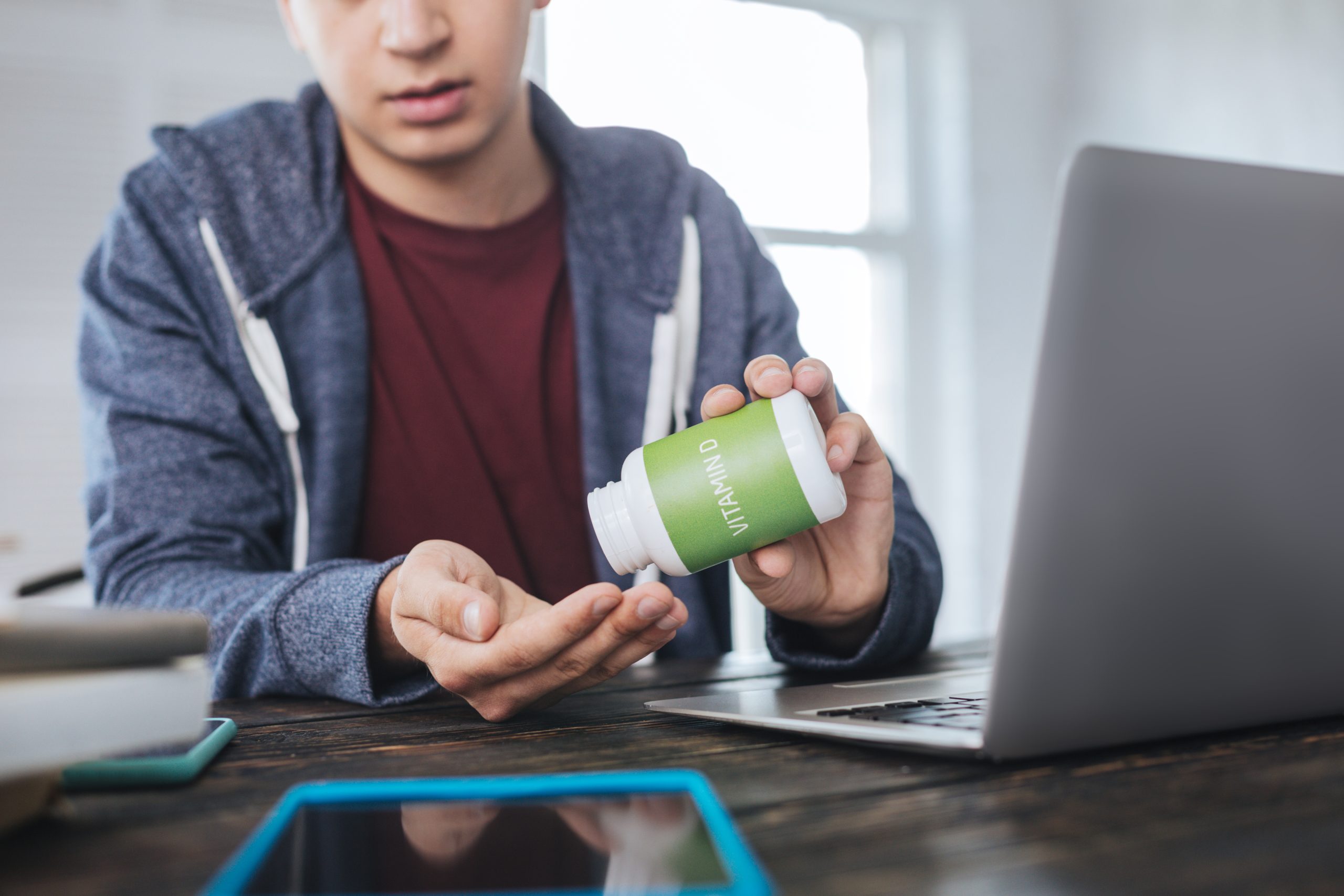
Modern diets, stress, and busy lifestyles can damage our digestive systems. According to the study, over 40% of people worldwide suffer from digestive disorders. This
Online Dawai
Typically replies within minutes
Any questions related to Can Prescription Medicines Be Returned??
WhatsApp Us
Online | Privacy policy
Upload Prescription