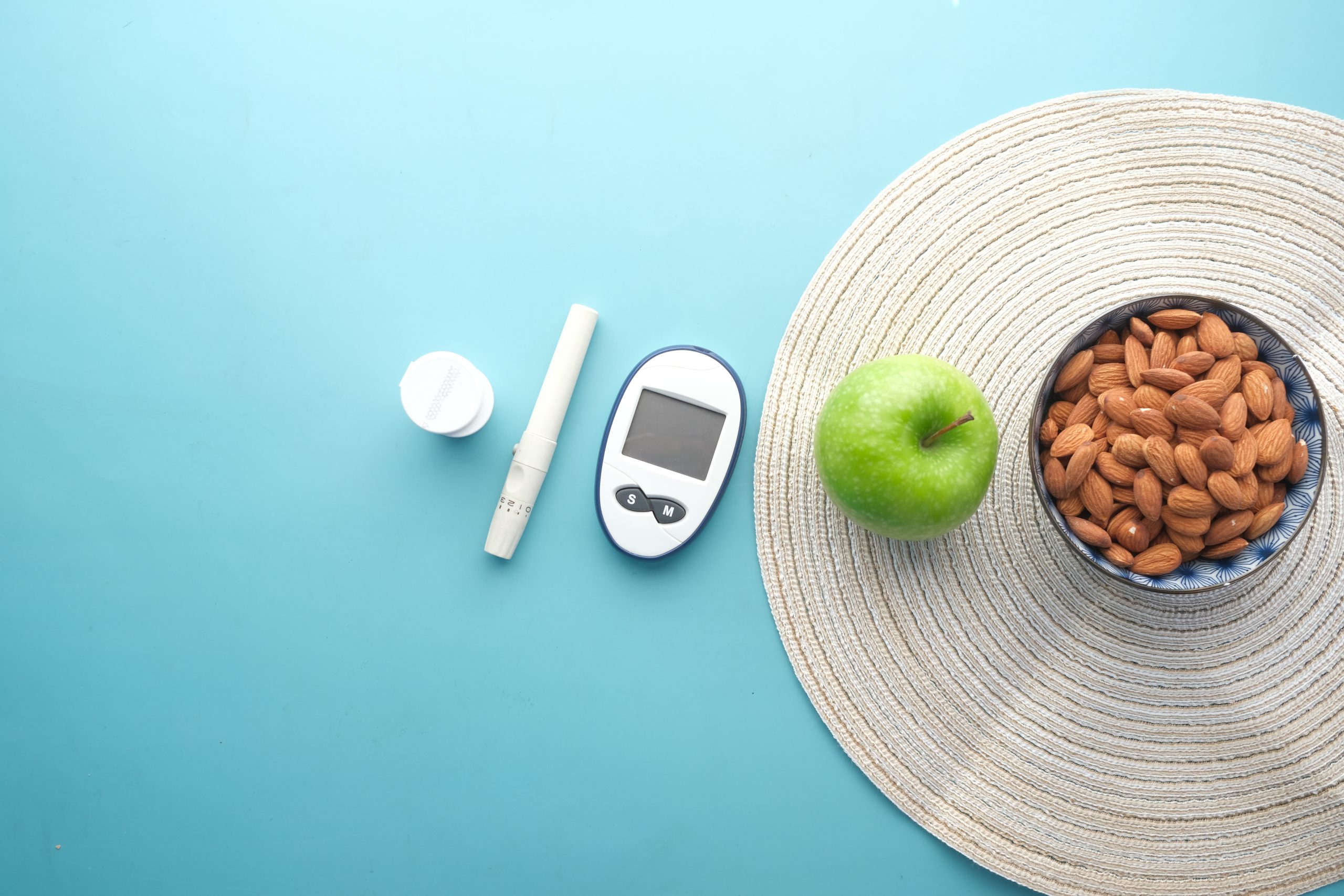
Diabetes Prevention: 7 Tips for Taking Control
Did you know that, according to the International Diabetes Federation, nearly 26.7% of adults in Pakistan were living with diabetes in 2022, translating to a
 Skip to content


Just picture this. You order your father’s blood pressure tablets online, and they arrive quickly. Only when you open the box do you notice they’re 10 mg instead of 5 mg. Or the pack is the right medicine but a syrup instead of tablets. Or it expires next month, and you’ve just bought a three-month supply.
Mistakes like these are far more common than you’d think, and most of them happen before the order is even placed. The pharmacy may be perfectly genuine. The problem is missing or mismatched details. This guide walks you through exactly what to check before ordering medicine online, so the right medicine arrives the first time.
Many medicines come in several strengths, forms, and brands that look almost identical online. A small mix-up can mean:
A quick two-minute check before you pay prevents nearly all of this. It also saves the pharmacy time, which means your order is processed and delivered faster, with fewer calls and messages going back and forth.
Start with the basics. Check both the brand name and the active ingredient, often called the “salt” or “formula” in Pakistan. Two products can have similar names but completely different ingredients. Matching the active ingredient to your prescription is the most reliable way to avoid confusion.
This is the number you’ll see in mg, mcg, or IU, such as 5 mg, 500 mg, or 100 IU/ml. Many medicines come in more than one strength. Always match it exactly to your prescription.
The same medicine can come as tablets, capsules, syrups, drops, injections, creams, or inhalers. Some tablets are also “extended release” or “SR,” which work differently from standard tablets. Make sure the form matches what your doctor prescribed.
Check how many tablets, capsules, or millilitres are in each pack, and how many packs you need for your course of treatment. This helps you avoid running out early or buying more than you can use before expiry.
Look at who makes the medicine and where it comes from. This is especially important for imported medicines. Known manufacturers and traceable origins are a good sign of a genuine product.
Medicines sold in Pakistan should be registered with DRAP. Registered packs carry a registration number, which you can check on DRAP’s online product registry if you’re unsure.
Ask the pharmacy for the expiry date before you order, especially for larger quantities. You should be able to finish the medicine comfortably before it expires.
Some medicines, like insulin, certain eye drops, and injections, need to be kept cold. Check whether your medicine needs refrigeration and ask how the pharmacy will keep it cool during delivery.
If the medicine is prescription-only, have a clear photo or scan of your prescription ready to upload. Make sure your name, the medicine, strength, and dosage are all readable.
| Detail | What to Check | Common Mistake |
|---|---|---|
| Active ingredient | Matches prescription exactly | Choosing a similar-sounding brand |
| Strength | Same mg, mcg, or IU | Ordering 10 mg instead of 5 mg |
| Dosage form | Tablet, syrup, injection, etc. | Missing “SR” or “XR” on the label |
| Pack size | Enough for your full course | Ordering too few or too many |
| Expiry date | Well beyond your use period | Not asking before ordering |
| Storage | Fridge or room temperature | Ignoring cold-chain needs |
| Registration | DRAP number on the pack | Assuming every product is registered |
Alongside the medicine details, take a moment to check the order page before you confirm.
Good communication works both ways. Help the pharmacy get your order right by telling them:
If anything doesn’t match, contact the pharmacy before taking the medicine, and share clear photos of the problem.
Doctors’ handwriting has a reputation for a reason. If your prescription is handwritten, take a moment to make sure you can read every part of it before ordering. A typical prescription includes:
If anything is unclear, don’t guess. Call your doctor’s clinic or ask the pharmacist to help you read it. Uploading a clear photo of the prescription also lets the pharmacy check it for you.
Imported medicines come with a few additional details worth confirming. Check the manufacturer, country of origin, and whether the product is registered in Pakistan or being supplied under special permission. Ask whether the packaging and leaflet will be in English, so you can read the instructions. For cold-chain imports, confirm how they’ll be kept cool on the way to you.
If you take medicines every day for blood pressure, diabetes, thyroid, or other long-term conditions, a little planning goes a long way.
This routine helps you avoid gaps in treatment and makes each order quicker and more accurate.
Once you’ve added items to your cart, pause for a final review. Read each line again and compare it with your prescription. It’s easy to tap the wrong strength or pack size on a small phone screen, especially when several options appear next to each other. Check the delivery address, phone number, and any notes you’ve added for the pharmacy. A careful look at this stage takes less than a minute and saves days of back-and-forth if something goes wrong.
Children’s medicines need extra attention. Many come in different strengths for different ages, and the same medicine may be sold as drops for infants and syrup for older children. When ordering:
Never use an adult strength for a child unless your doctor has specifically told you to.
Your prescription contains personal health information. Before uploading it, check that the pharmacy explains how it stores and uses your data. Only share what’s needed for the order, and avoid sending prescriptions through public comments or open social media posts. If you’re ordering sensitive or personal health products, ask whether the pharmacy offers discreet packaging.
Getting the right medicine mostly comes down to getting the details right. Check the active ingredient, strength, form, pack size, expiry, storage, and prescription before you pay, then check them again when your order arrives. These simple steps make ordering medicine online safer for you and your family. To make it easier, you can upload your prescription and let the pharmacy match each item for you.
The active ingredient and strength. They must match your prescription exactly, even if the brand name is different.
Check your prescription. If it’s unclear, ask your doctor or the pharmacist before ordering, rather than guessing.
Yes. A good pharmacy will share the expiry date, especially if you’re ordering a larger quantity.
It means sustained or extended release. These release medicine slowly and shouldn’t be swapped with standard tablets without advice.
Don’t take it. Take photos, contact the pharmacy straight away, and ask for the correct medicine to be sent.
Did you know that, according to the International Diabetes Federation, nearly 26.7% of adults in Pakistan were living with diabetes in 2022, translating to a

Your heart has been working tirelessly since birth, pumping the blood through arteries into your body without rest. When the pressure inside the walls of

It’s normal to feel frustrated and even disappointed when you’re struggling to last longer in bed. It can feel like there’s this invisible pressure to

Modern diets, stress, and busy lifestyles can damage our digestive systems. According to the study, over 40% of people worldwide suffer from digestive disorders. This
Online Dawai
Typically replies within minutes
Any questions related to What Information Should You Check Before Ordering Medicine Online??
WhatsApp Us
Online | Privacy policy
Upload Prescription