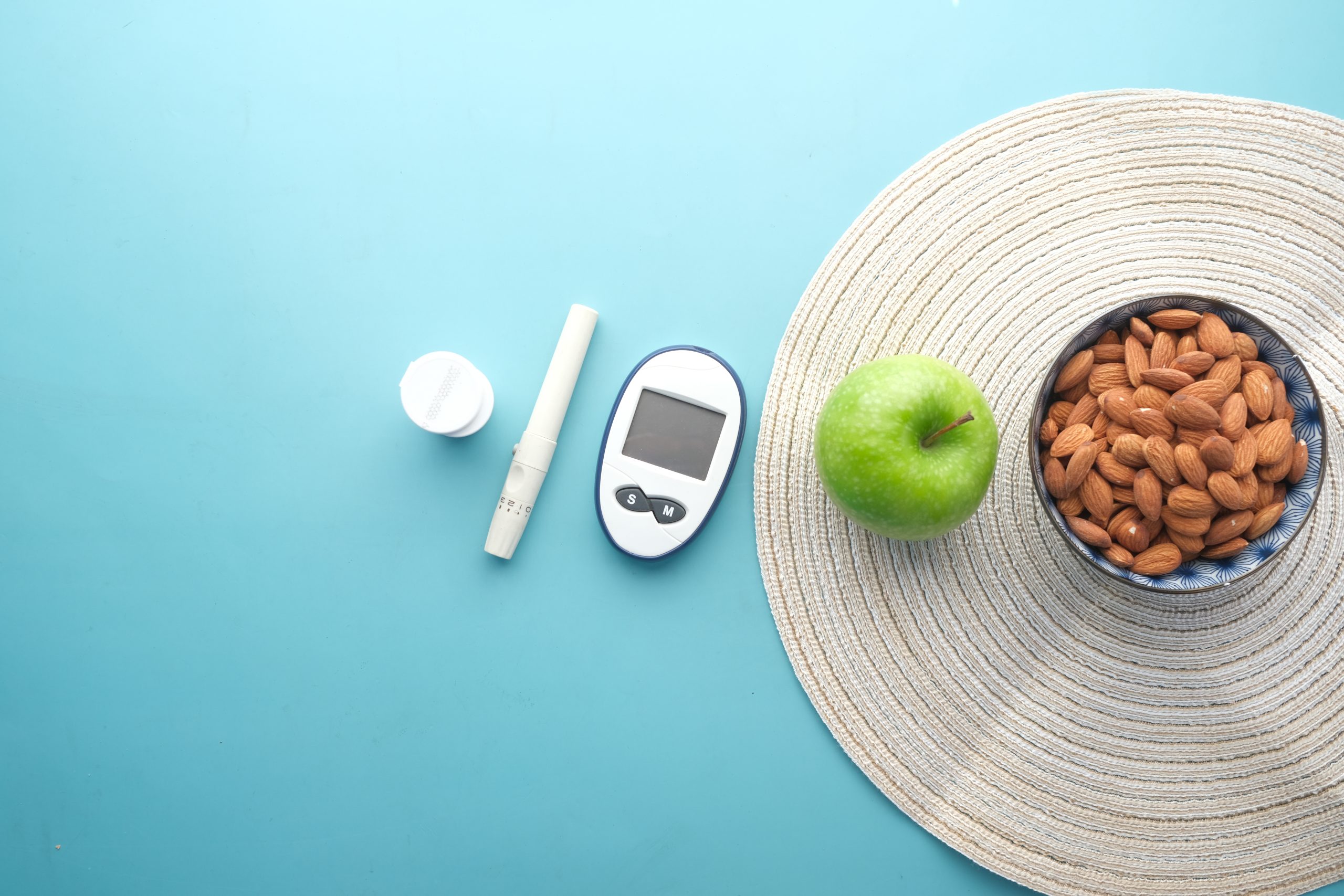
Diabetes Prevention: 7 Tips for Taking Control
Did you know that, according to the International Diabetes Federation, nearly 26.7% of adults in Pakistan were living with diabetes in 2022, translating to a
 Skip to content

When a medicine is expensive, hard to find, or critical to daily treatment, one question comes up fast: can imported medicines be trusted? For many patients and caregivers, that question is not theoretical. It affects whether treatment stays on schedule, whether symptoms remain controlled, and whether money is spent on the right product.
The short answer is yes – imported medicines can be trusted, but not automatically. Trust should come from verification, not from the word “imported” alone. A genuine imported medicine from a reliable source can be an excellent option, especially when local availability is limited or when a patient has been prescribed a specific brand. But imported status by itself is not proof of quality. The source, packaging, storage, documentation, and seller practices matter just as much.
In real-world pharmacy purchasing, imported medicines are often trusted because they come from established international manufacturers and are used in specialist treatment categories where patients need specific brands, strengths, or formulations. This is common with transplant medicine, respiratory care, oncology support, digestive enzymes, neurology, and autoimmune treatment, where switching products without medical advice may not be ideal.
That said, imported medicines also attract more scrutiny because they are often higher priced and harder to source. When demand is high and supply is limited, the risk of unauthorized sellers and questionable stock increases. So the right question is not simply whether imported medicines can be trusted. It is whether the particular imported medicine you are buying has a clear, traceable path from manufacturer to patient.
A reliable pharmacy understands this concern and gives practical reassurance. That includes clear product information, prescription controls where required, batch and expiry visibility where possible, proper storage, and customer support that can answer direct questions instead of avoiding them.
Trust starts with authenticity. A trustworthy imported medicine should come from a known manufacturer, match the prescribed brand and strength, and be supplied through a seller that treats medicine as a regulated healthcare product, not just another online item.
Packaging is one part of the picture. Original boxes, sealed strips, vial labels, printed batch numbers, manufacturing dates, and expiry dates all matter. But packaging alone is not enough because counterfeiters may copy appearance. That is why seller credibility matters so much. A trusted pharmacy does not rely on attractive packaging to build confidence. It provides clear medicine details, asks for a prescription when needed, and handles high-risk products with the seriousness they require.
Storage conditions are another major factor. Some imported medicines, especially injectables and specialty therapies, can lose effectiveness if they are exposed to heat, humidity, or poor handling. A medicine may be genuine and still become unreliable if the supply chain is careless. For that reason, trust depends not only on whether the product is original, but whether it has been stored and delivered correctly.
Patients usually notice trust signals before they notice technical details. If a seller is vague, pushes urgent payment without answering questions, or treats prescription medicine like a casual retail product, that is a warning sign.
A serious online pharmacy usually does the opposite. It identifies the product clearly by brand name, strength, active ingredient, and treatment use. It states whether a prescription is required. It does not make impossible claims such as guaranteed cure or miracle results. It also provides realistic availability and pricing instead of using suspiciously cheap offers to force quick purchases.
This matters even more for chronic or sensitive treatments. A caregiver buying a transplant medicine, a respiratory inhaler, or a specialty enzyme product needs confidence that the exact medicine ordered is the one being supplied. Practical clarity builds that confidence more effectively than marketing language.
If you are asking whether imported medicines can be trusted, it helps to know what should immediately lower your confidence.
A medicine sold far below the normal market range deserves extra caution, especially in categories where imported stock is expensive by nature. The lowest price is not always the safest choice. Missing product details are another concern. If the seller does not mention manufacturer, dosage strength, prescription status, or expiry expectations, you are being asked to buy without enough information.
Poor communication is also a serious red flag. If simple questions about product origin, packaging, or prescription requirements are ignored, that suggests weak controls. The same applies to medicines offered without regard for legal or medical checks. A pharmacy that is comfortable skipping prescription verification on controlled or specialist therapies may be cutting corners elsewhere too.
Finally, be careful with products that arrive in damaged packaging, with altered labels, unclear batch printing, or a mismatch between the medicine ordered and the medicine delivered. In those cases, do not use the product until the issue is clarified.
The safest approach is to verify before placing the order, not after the package arrives. Start with the basics. Confirm the exact brand, strength, dosage form, and active ingredient on the prescription or previous pack. This is especially important when medicines have similar names or multiple strengths.
Then check how the pharmacy presents the product. Is the listing specific? Does it mention if a prescription is required? Are the details medically functional rather than vague? Specialty medicine should be sold with precision.
If you still have doubts, ask direct questions. You can ask whether the medicine is original imported stock, whether the listed brand matches the delivered brand, and whether cold-chain or special handling applies. A trustworthy pharmacy should be able to respond in a clear, practical way.
When the medicine arrives, inspect it before use. Compare the received item with your prescription and any previous genuine pack you have used. Look at the brand name spelling, strength, dosage form, batch details, and expiry. If anything feels inconsistent, pause and verify first.
For many patients, imported medicines are not a luxury purchase. They are the available or medically preferred option. Some treatments are difficult to source locally on a consistent basis. In other cases, doctors prescribe a specific brand because the patient is already stabilized on it, or because the formulation is known and trusted in that treatment plan.
This is where access becomes part of trust. A pharmacy that can provide original imported medicine reliably, with transparent ordering and dependable delivery, reduces a major burden for patients and families. It saves repeated market visits, unnecessary treatment delays, and the stress of calling multiple stores for one hard-to-find product.
That practical value is especially important in Pakistan, where patients often depend on family members to arrange medicine purchases and may not live near specialty pharmacies. In those cases, a dependable online channel is not just convenient. It can make continuity of treatment possible.
Not always. Trust should not be based on imported versus local as a simple ranking. Many local medicines are effective and reliable when sourced properly, and many imported medicines are excellent when obtained through the right channel. The real issue is product authenticity, proper regulation, storage integrity, and suitability for the patient.
Sometimes imported products are preferred because the prescribing doctor wants a specific brand. Sometimes local alternatives may be acceptable and more affordable. This is where medical advice matters. Patients should not switch between products based only on availability or price if the treatment is sensitive or long term.
So the best approach is not to assume one category is always better. It is to buy from a seller that respects the medicine, respects the prescription, and gives you enough information to make a safe decision.
If you want a simple standard, use this: trust imported medicines when the product is original, the source is credible, the handling is proper, and the pharmacy is transparent. That standard is much stronger than trusting a label, a low price, or a social media claim.
For patients buying specialist therapies online, reassurance should come from visible discipline. Clear product data, prescription checks, careful fulfillment, and responsive support are not extras. They are part of what makes a medicine trustworthy. That is why many buyers prefer service-focused pharmacies such as springgreen-oryx-560698.hostingersite.com/ when they need access to genuine imported stock without unnecessary friction.
When the medicine matters, trust should be earned through proof, process, and consistency. That is the safest way to buy with confidence and keep treatment moving forward.
Did you know that, according to the International Diabetes Federation, nearly 26.7% of adults in Pakistan were living with diabetes in 2022, translating to a

Your heart has been working tirelessly since birth, pumping the blood through arteries into your body without rest. When the pressure inside the walls of

It’s normal to feel frustrated and even disappointed when you’re struggling to last longer in bed. It can feel like there’s this invisible pressure to

Modern diets, stress, and busy lifestyles can damage our digestive systems. According to the study, over 40% of people worldwide suffer from digestive disorders. This
Online Dawai
Typically replies within minutes
Any questions related to Can Imported Medicines Be Trusted??
WhatsApp Us
Online | Privacy policy
Upload Prescription