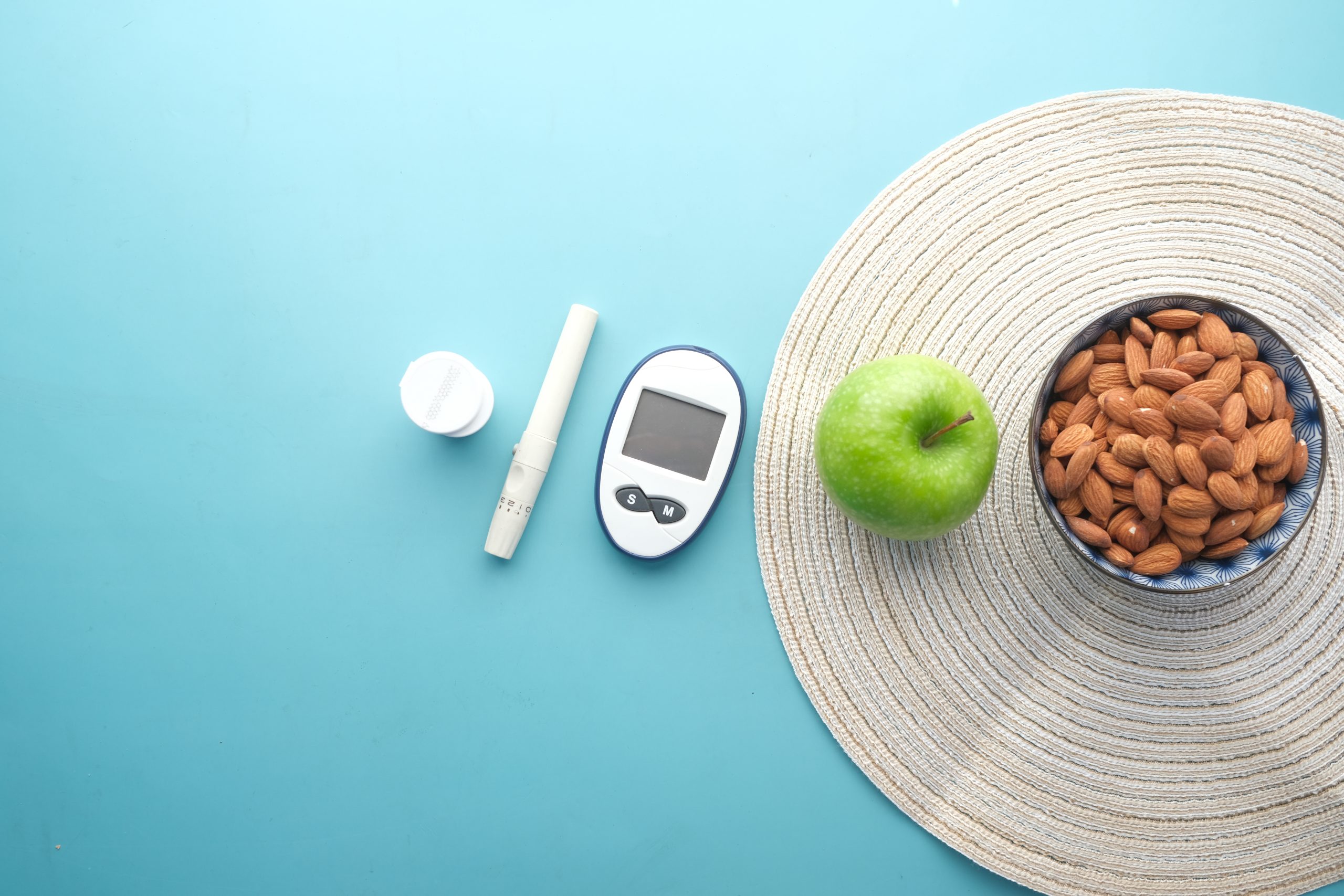
Diabetes Prevention: 7 Tips for Taking Control
Did you know that, according to the International Diabetes Federation, nearly 26.7% of adults in Pakistan were living with diabetes in 2022, translating to a
 Skip to content

When a medicine must stay cold, delivery speed is only part of the story. A proper guide to medicine cold chain starts with one simple fact: if the required temperature is broken at any point – during storage, packing, shipping, or home handling – the medicine may lose quality, safety, or effectiveness.
That matters most for patients using high-value, hard-to-find therapies such as specialty injectables, biologics, fertility products, insulin, certain vaccines, and other temperature-sensitive treatments. For these medicines, authenticity is not enough. The product must also be stored and delivered under the right conditions from supply source to patient.
The medicine cold chain is the controlled process used to keep temperature-sensitive medicines within a defined temperature range throughout storage, transport, and final delivery. In many cases, that range is 2 C to 8 C, but not every product follows the same rule. Some medicines require refrigeration, some must be protected from freezing, and some may tolerate short room-temperature windows once dispensed.
This is why generic advice can be risky. The correct handling process depends on the manufacturer’s storage instructions for that exact brand, strength, and dosage form. An injectable imported biologic does not always behave like a syrup, pen device, or reconstituted product.
Cold chain control is not just about placing medicine in a fridge or cooler box. It includes validated storage equipment, temperature monitoring, proper packing materials, handling time limits, and clear instructions for the person receiving the product.
A broken cold chain can create two problems at the same time. First, the medicine may no longer perform as expected. Second, the damage is not always visible. A vial can look normal while its active ingredient has already degraded because of heat exposure or accidental freezing.
This is especially serious for patients managing transplant care, autoimmune disease, hormone treatment, respiratory therapy, or other chronic conditions where dose timing and product stability matter. Delays in replacing a spoiled medicine can interrupt treatment. For expensive imported medicines, the financial loss can also be significant.
There is also an important difference between heat damage and freeze damage. Many patients assume cold is always safer, but freezing can be just as harmful. Some proteins, suspensions, and injection products are permanently affected if they freeze, even briefly. That is why a proper guide to medicine cold chain must include both upper and lower temperature limits.
Not every prescription medicine requires refrigerated shipping. Tablets and capsules are often stable at controlled room temperature. But many high-sensitivity products need much tighter handling.
Medicines that commonly need cold chain protection include insulin, certain injectable hormones, biologics, monoclonal antibodies, selected eye preparations, some fertility medicines, specialty gastroenterology products, and many vaccines. Certain reconstituted products or opened products may also have stricter limits after first use.
The only safe approach is to verify the exact storage instruction on the pack, patient leaflet, or approved product information. If the label says store at 2 C to 8 C, protect from light, or do not freeze, those words are not optional.
Temperature-sensitive medicines rarely fail because of one dramatic event. More often, the problem comes from small mistakes. A shipment sits too long before dispatch. A cooler box is packed with the wrong gel pack balance. A pharmacy refrigerator is overfilled. A parcel is delivered, but the recipient is not available and the package remains outside proper storage.
Home handling is another weak point. Patients sometimes place medicine in the freezer section by mistake, store it in the refrigerator door where temperatures fluctuate, or leave it in a car after pickup. Even a genuine original imported medicine can be compromised by poor handling after delivery.
Power outages also matter, particularly in areas where electricity supply is not always predictable. For long-term users of refrigerated medicines, having a backup plan is part of safe treatment management.
A safe cold chain process begins before the parcel is packed. The medicine should be stored in a monitored refrigerator or temperature-controlled unit until dispatch. Packing materials must then be chosen based on the product’s required range, expected transit time, ambient weather, and delivery route.
Insulated packaging alone is not enough. The shipper must use the right type and quantity of coolant, and the medicine should be protected from direct contact with frozen packs if there is any risk of freezing. This is a common trade-off in cold chain logistics: too little coolant risks warming, while too much direct cold can damage products that are freeze-sensitive.
Transit time is equally important. Faster is generally better, but planning matters more than promises. A same-day or next-day shipment is only useful if dispatch timing, route conditions, and final handover are controlled properly.
For higher-risk products, temperature indicators or data loggers may be used to confirm exposure history. Not every retail shipment includes this level of monitoring, but for high-value medicines, it adds meaningful reassurance.
If you are receiving a cold chain medicine, the handover should not feel casual. Check the package as soon as it arrives. The outer box should still feel appropriately cool if refrigerated handling was required, and the internal insulation should be intact. If a temperature indicator is included, review it before accepting the medicine for use.
Then confirm the product details: brand, strength, dosage form, batch information, and expiry. For prescription products, make sure the medicine matches exactly what your doctor advised. If there is any sign of leakage, breakage, water damage, missing label information, or suspicious warmth, do not use the product until you speak with the seller or pharmacist.
At home, store the medicine immediately under the instructed conditions. For most refrigerated medicines, the best position is the middle shelf of the refrigerator, not the door and not near the freezer vent. Keep the product in its original packaging if light protection is required.
When buying a temperature-sensitive medicine online, practical questions matter more than marketing claims. Ask whether the product requires refrigeration, how it will be packed, how long delivery will take, and what to do if no one is available to receive it.
It is also reasonable to ask whether a prescription is required, whether the medicine is original imported stock, and what steps are followed to reduce temperature excursions during transit. Serious pharmacy sellers should be able to answer these questions clearly.
If you are ordering from a specialized medical store such as springgreen-oryx-560698.hostingersite.com/ for a hard-to-find medicine, the right cold chain process is part of the service, not an extra detail. For patients buying costly specialty therapy, confidence comes from both product authenticity and dependable handling.
This is where things become less straightforward. Some medicines can tolerate limited room-temperature exposure for a specific number of hours or days. Others cannot. Some products may be returned to refrigeration after brief exposure, while others must be discarded once removed.
That means there is no universal rule for a medicine left out overnight or a parcel that arrived slightly warm. The answer depends on the exact product and the manufacturer’s stability guidance. When in doubt, do not guess. Contact a pharmacist, the seller, or the manufacturer information source tied to that product.
Trying to save an expensive medicine is understandable, but using a compromised treatment can create greater medical risk and greater cost later.
For patients who rely on specialty therapies, cold chain handling is not a technical side topic. It is part of whether the medicine you receive is truly fit for use. A supplier can offer the best price, genuine imported stock, and nationwide delivery, but if temperature control is weak, the service falls short where it matters most.
That is why the best buying decision is not based on price alone. It depends on prescription controls, clear storage guidance, careful dispatch, and a delivery process designed for sensitive medicines.
If your treatment must stay cold, treat storage and shipping as part of the medicine itself. A well-handled product gives you more than convenience – it gives you confidence when your treatment cannot afford avoidable risk.
When you order a temperature-sensitive medicine, ask the extra question, check the package promptly, and store it correctly from the first minute at home.
Did you know that, according to the International Diabetes Federation, nearly 26.7% of adults in Pakistan were living with diabetes in 2022, translating to a
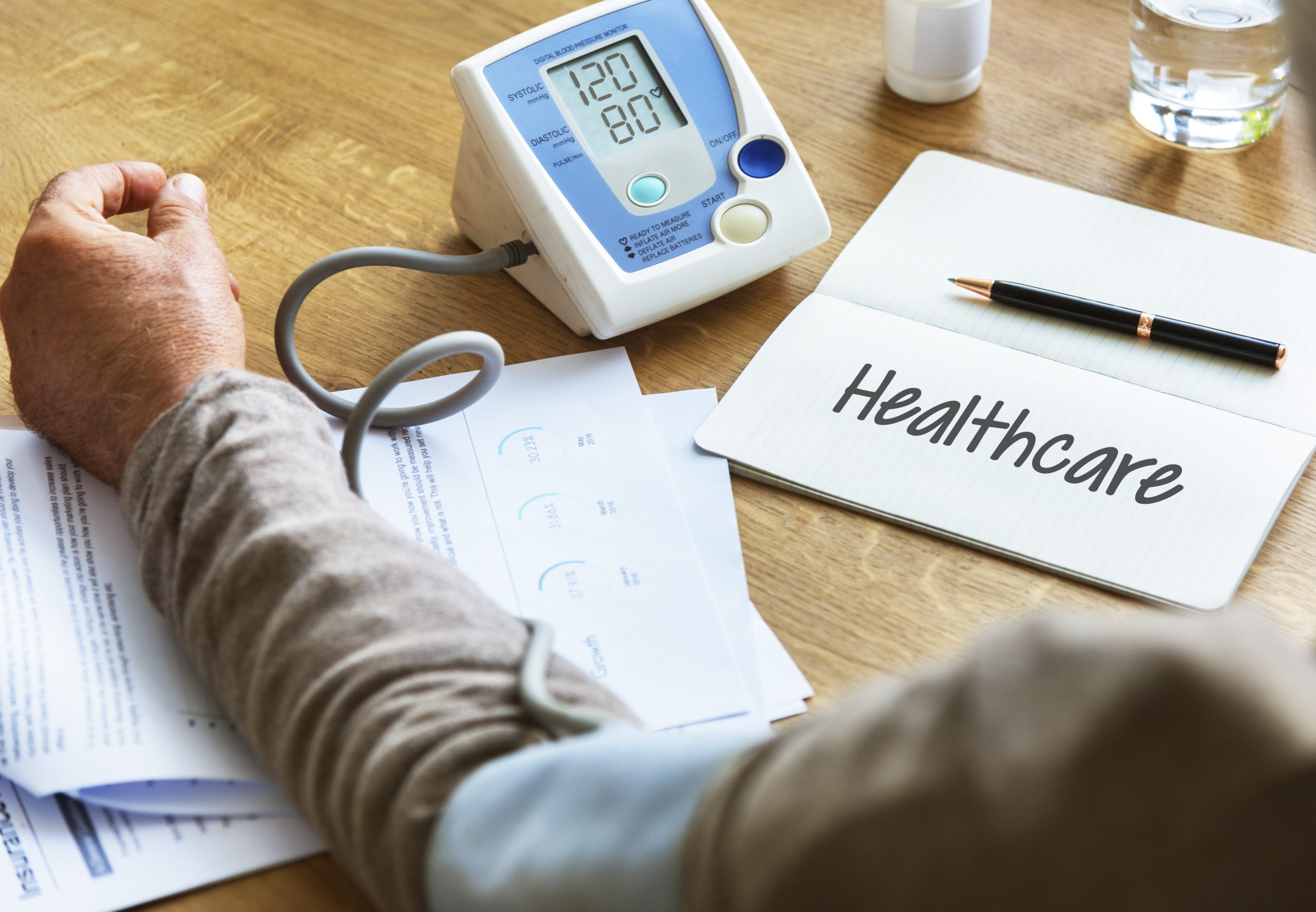
Your heart has been working tirelessly since birth, pumping the blood through arteries into your body without rest. When the pressure inside the walls of

It’s normal to feel frustrated and even disappointed when you’re struggling to last longer in bed. It can feel like there’s this invisible pressure to

Modern diets, stress, and busy lifestyles can damage our digestive systems. According to the study, over 40% of people worldwide suffer from digestive disorders. This
Online Dawai
Typically replies within minutes
Any questions related to A Clear Guide to Medicine Cold Chain?
WhatsApp Us
Online | Privacy policy
Upload Prescription