Diabetes Prevention: 7 Tips for Taking Control
Did you know that, according to the International Diabetes Federation, nearly 26.7% of adults in Pakistan were living with diabetes in 2022, translating to a
 Skip to content
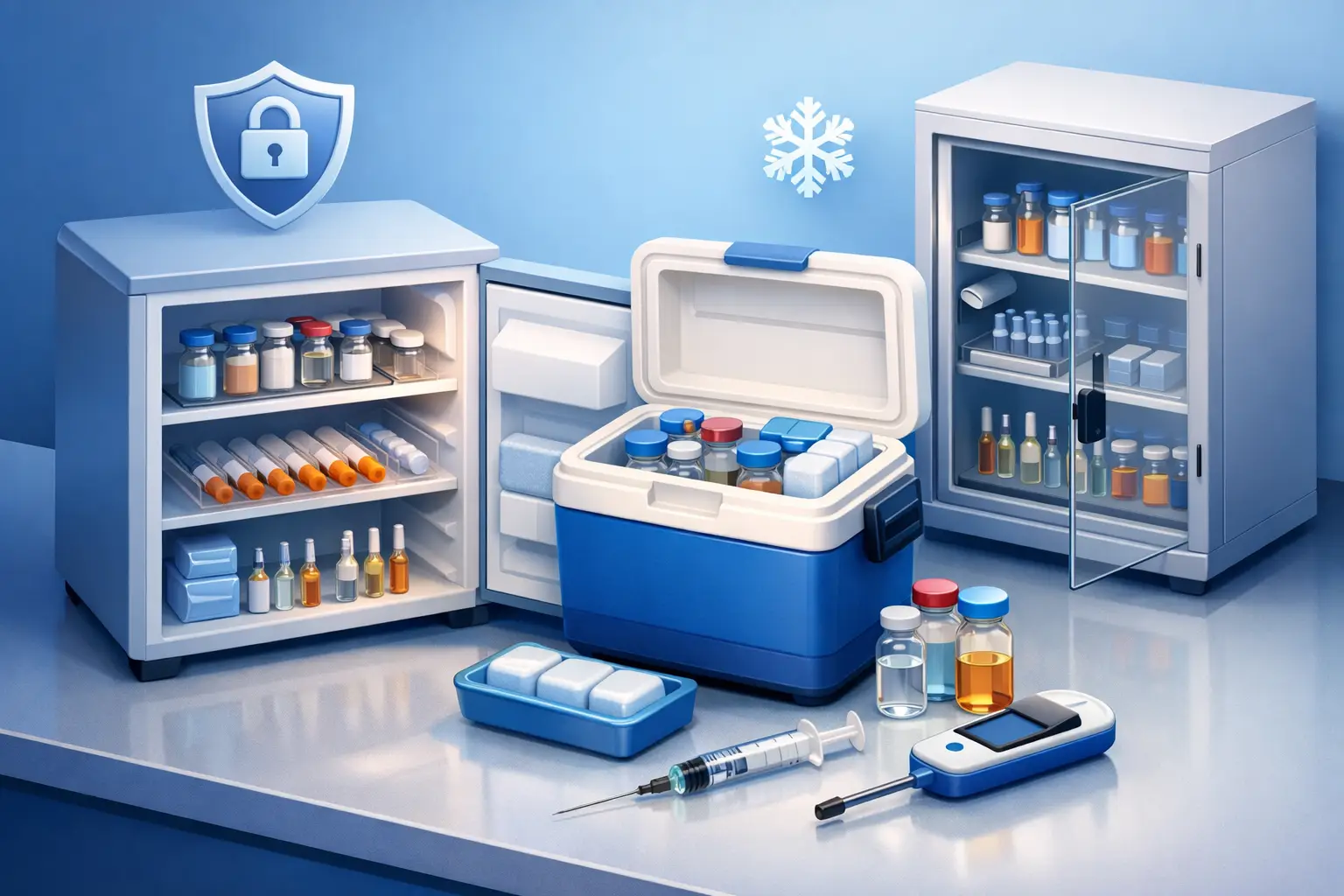
A single storage mistake can ruin an expensive injection before you even open the pack. That is why knowing how to store injectable medicines correctly matters just as much as getting the right brand, dose, and prescription. For patients managing chronic or serious conditions, proper storage protects both medicine quality and treatment results.
Injectable medicines are not all stored the same way. Some must stay refrigerated, some can remain at room temperature for a limited period, and some should never be frozen under any circumstances. Even when two products look similar, their storage instructions may be completely different. The safest rule is simple: follow the label, outer carton, and package insert exactly.
Most injectable medicines fall into one of two broad groups: refrigerated products and controlled room-temperature products. Refrigerated medicines are usually stored between 2 C and 8 C. That means they belong in the main body of the refrigerator, not the freezer section and not in the fridge door, where temperatures change often.
The fridge door is one of the most common storage mistakes. It may seem convenient, but every opening and closing exposes the medicine to temperature shifts. Delicate injectable products, especially biologics, hormones, fertility medicines, insulin, and specialty therapies, can lose stability when exposed to repeated warming and cooling.
If your medicine is meant to stay at room temperature, that does not mean any room is acceptable. It should be kept in a cool, dry place away from direct sunlight, stoves, windows, and bathroom humidity. In hot weather, room temperature can rise faster than people expect. If your home regularly gets very warm, check the product instructions carefully rather than assuming shelf storage is safe.
If the pack says refrigerate, place it on a middle shelf where the temperature stays more consistent. Keep it inside its original carton if possible. The carton helps protect the medicine from light and makes it easier to identify the brand name, strength, batch details, and expiry date.
Do not place injectable medicines at the back wall of the fridge. This is another easy mistake, especially in small refrigerators. The back area can become too cold and may partially freeze the medicine. Freezing can damage many injectables permanently, even if the product looks normal afterward.
It is also wise not to store injections next to foods that spill easily or in crowded sections where packs get crushed. Specialty injectables often come in glass vials, prefilled pens, or syringes that need careful handling. A broken container, bent needle cover, or damaged pen body can make the product unsafe to use.
If several family members use the same refrigerator, keep medicines in a clean, separate container. This lowers the risk of mix-ups and protects the product from accidental movement. For households managing high-value imported medicines, this small step can prevent waste.
For many injectable medicines, freezing means the product should not be used. Do not try to thaw it and continue as usual unless a pharmacist or the manufacturer’s instructions clearly say it is acceptable. Shaking, cloudiness, particles, or color change after freezing are warning signs, but the absence of visible changes does not guarantee safety.
This is one of those situations where guessing is risky. If you suspect freezing, keep the product aside and confirm with a qualified pharmacist before taking the dose.
Some injectable medicines can stay out of the refrigerator for a certain number of days once removed, while others must be used within hours. This difference matters. A patient may think, “It was only outside overnight,” but whether that is acceptable depends entirely on the specific product.
Many pens and prefilled syringes become more comfortable to inject after sitting at room temperature for a short period before use. That does not mean they can be left out permanently. The medicine may need to be returned to the fridge if not used, or it may need to be discarded after a defined time. The package instructions should guide that decision.
Avoid storing injectable medicines in kitchens, near water dispensers, on sunny shelves, or inside cars. Heat exposure is especially common during transport, daily errands, and power outages. In these cases, even sealed medicines can become unusable if they exceed their safe temperature range.
Travel creates the biggest storage problems, particularly for patients using long-term specialty treatment. If your medicine needs refrigeration, use a proper insulated medicine cooler with cold packs, but do not place the product directly against frozen packs unless the manufacturer allows it. Direct contact can freeze the medicine.
For short travel, keep the medicine in its original packaging and avoid leaving it in luggage compartments, parked cars, or direct sun. If you are flying, carry injectable medicines in hand luggage rather than checked baggage. Baggage holds can be exposed to rough handling and temperature extremes.
If the product has already been removed from refrigeration and the label gives a room-temperature time limit, track that time carefully. Many patients remember the date but forget the hour. For costly injections, writing the removal time on the carton can help avoid uncertainty later.
In places where electricity interruptions happen, refrigerator-dependent medicines need extra attention. Keep the fridge door closed as much as possible during an outage. Opening it repeatedly lets cold air escape and shortens the safe window.
If the outage is prolonged, move the medicine to an insulated cooler with cool packs while making sure the product does not freeze. If you are unsure whether the temperature stayed within range, ask a pharmacist before using the medicine. With specialty injections, replacing a doubtful dose is often safer than risking reduced effectiveness.
Good storage does not end when the medicine reaches your home. Before each dose, inspect the product. Look for cracks, leaks, missing caps, damaged seals, unusual particles, discoloration, or labels that are no longer readable. If a prefilled syringe or pen has been dropped, it should also be checked carefully.
Some injectable medicines are supposed to be clear. Others may be cloudy by design. That is why visual inspection should be based on the product’s own instructions, not a general assumption. If the appearance has changed from what you normally see, stop and confirm before use.
Always check the expiry date as well. Expired injectable medicines should not be used, even if the pack looks fine and storage was correct. Once a vial or pen is opened or punctured, a shorter use period may apply.
Injectable medicines should be stored out of reach of children and away from anyone who may misuse them. This is especially important for hormones, fertility treatments, biologics, and other prescription-only products. Keep the medicine with its prescription details and dosing instructions so the correct person uses the correct product.
Do not transfer injectable medicines into unlabeled containers. Original packaging supports safety, authenticity checks, and traceability. For patients buying original imported medicine, retaining the manufacturer carton and label is also helpful if a storage question comes up later.
If you receive a delivery, inspect it promptly instead of setting it aside for hours. Temperature-sensitive injections should be stored correctly as soon as they arrive. This is particularly relevant when ordering specialty products online. A trusted pharmacy such as springgreen-oryx-560698.hostingersite.com/ can help with access, but the final step at home is still proper handling by the patient or caregiver.
Sometimes the right answer is not obvious. If the medicine was left out overnight, exposed to heat, partially frozen, dropped, or stored without its carton, do not assume it is still fine. Ask a pharmacist if the dose remains usable. The same applies if the product insert is missing or the storage instructions are unclear.
This matters even more for transplant medicines, autoimmune injections, fertility treatments, and other therapies where missed or ineffective doses can affect disease control. Using a compromised injection may cost more in the long run than replacing it.
Proper storage is not complicated once you know the rules, but it does require attention. Keep each injectable medicine in its original pack, follow the exact temperature instructions, protect it from heat and freezing, and check it before use. A few careful habits can protect both the medicine and the treatment plan behind it.
When you are handling an injectable that is costly, prescription-only, or hard to replace, a cautious approach is always the better one.
Did you know that, according to the International Diabetes Federation, nearly 26.7% of adults in Pakistan were living with diabetes in 2022, translating to a

Your heart has been working tirelessly since birth, pumping the blood through arteries into your body without rest. When the pressure inside the walls of

It’s normal to feel frustrated and even disappointed when you’re struggling to last longer in bed. It can feel like there’s this invisible pressure to

Modern diets, stress, and busy lifestyles can damage our digestive systems. According to the study, over 40% of people worldwide suffer from digestive disorders. This
Online Dawai
Typically replies within minutes
Any questions related to How to Store Injectable Medicines Safely?
WhatsApp Us
Online | Privacy policy
Upload Prescription