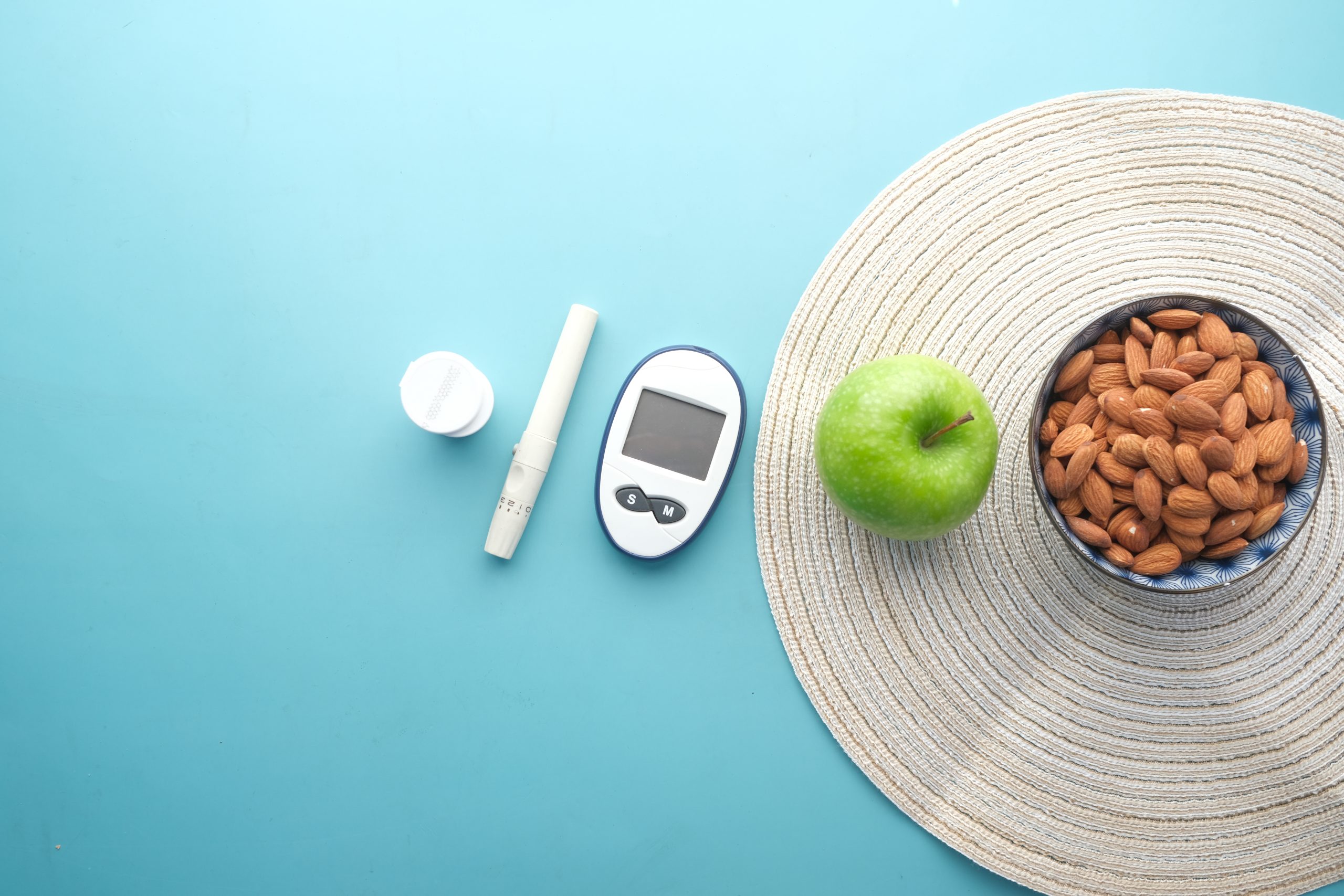
Diabetes Prevention: 7 Tips for Taking Control
Did you know that, according to the International Diabetes Federation, nearly 26.7% of adults in Pakistan were living with diabetes in 2022, translating to a
 Skip to content

Missing even a few doses of levothyroxine sodium can affect how your body uses energy, regulates temperature, and keeps many basic functions stable. For people with hypothyroidism, this medicine is not a casual short-term treatment. It is usually a daily replacement therapy that needs correct dosing, consistent use, and proper medical follow-up.
Levothyroxine sodium is a synthetic form of thyroxine, also called T4, a hormone normally produced by the thyroid gland. Doctors prescribe it when the thyroid does not make enough hormone on its own. It may also be used in certain thyroid-related conditions where hormone control is part of treatment planning. Because thyroid hormone affects the heart, metabolism, digestion, mood, and energy levels, even small changes in dose can matter.
The most common use of levothyroxine sodium is treating hypothyroidism. This includes primary hypothyroidism, which happens when the thyroid gland itself is underactive, and cases that develop after thyroid surgery or radioactive iodine treatment. Some patients also need it after treatment for thyroid cancer, depending on their specialist’s advice.
Symptoms of low thyroid hormone can be broad and easy to confuse with other problems. Fatigue, weight gain, dry skin, constipation, cold intolerance, slowed thinking, and low mood are all common. The challenge is that symptoms alone cannot confirm whether treatment is working. Blood tests, especially TSH and sometimes free T4, are what guide proper dose adjustment.
This medicine works best when taken consistently, not just regularly. Most patients are advised to take it once daily on an empty stomach with water, usually 30 to 60 minutes before breakfast. Food can reduce absorption, and so can calcium, iron, antacids, and some other medicines. If these are taken too close together, the dose may not work as expected even when the tablet strength is correct.
Consistency matters more than timing tricks. If a patient always takes it in the morning under the same conditions, doctors can interpret blood test results more reliably. Some people take it at night, but that should only be done if the schedule is consistent and approved by the prescribing doctor.
If a dose is missed, patients should follow medical advice or the instructions provided with the medicine. Double dosing without guidance is not a good idea. In long-term thyroid treatment, steady routine is more useful than occasional catch-up dosing.
There is no single standard dose that suits everyone. Age, weight, heart health, pregnancy status, cause of hypothyroidism, and lab results all affect dosing. Older adults and people with heart disease may need a lower starting dose. Younger adults without cardiac issues may be started differently. That is why self-adjusting the dose based on symptoms alone can create problems.
Dose changes are usually made gradually, followed by repeat blood testing after several weeks. This delay can frustrate patients who want fast symptom relief, but thyroid hormone takes time to reach a new steady level in the body. Increasing too quickly may cause palpitations, anxiety, tremor, or sleep disturbance.
Levothyroxine sodium itself is meant to replace a natural hormone, so side effects usually happen when the dose is too high, too low, or absorption is inconsistent. Signs of too much thyroid hormone can include a racing heartbeat, sweating, nervousness, diarrhea, weight loss, and trouble sleeping. Too little hormone may leave symptoms of hypothyroidism unchanged.
Patients should be especially careful if they have heart disease, arrhythmia, osteoporosis risk, or are pregnant. Pregnancy often increases thyroid hormone requirements, so closer monitoring may be needed. Children, older adults, and people taking multiple long-term medicines also need careful supervision.
Another important point is brand and formulation consistency. Switching between manufacturers can sometimes affect control in sensitive patients. If a patient is stable on one product, it is worth confirming the same prescribed strength and formulation each time. For prescription medicines like this, authenticity and proper storage are also essential.
Several medicines and supplements can interfere with absorption or effect. Calcium supplements, iron tablets, sucralfate, bile acid binders, and some antacids are common examples. Certain seizure medicines and other long-term therapies may also affect thyroid hormone levels. This does not always mean they cannot be used together, but timing and monitoring become more important.
Patients should also avoid treating levothyroxine sodium like a weight-loss medicine. It is not intended for that purpose, and using thyroid hormone without a confirmed medical need can be dangerous.
Because this is a prescription medicine used for a chronic condition, patients should buy only from a trusted pharmacy that provides original stock and clear strength information. Check the prescribed dose carefully, since small strength differences can affect treatment control. If you are ordering online, confirm prescription requirements, packaging details, and storage standards before purchase.
For patients in Pakistan who struggle to find imported or specialty medicines locally, a reliable online pharmacy can reduce delays and help maintain uninterrupted treatment. springgreen-oryx-560698.hostingersite.com/ focuses on access to original imported medicines, but the most important step is still using levothyroxine sodium exactly as prescribed and keeping up with regular thyroid testing.
Did you know that, according to the International Diabetes Federation, nearly 26.7% of adults in Pakistan were living with diabetes in 2022, translating to a

Your heart has been working tirelessly since birth, pumping the blood through arteries into your body without rest. When the pressure inside the walls of

It’s normal to feel frustrated and even disappointed when you’re struggling to last longer in bed. It can feel like there’s this invisible pressure to

Modern diets, stress, and busy lifestyles can damage our digestive systems. According to the study, over 40% of people worldwide suffer from digestive disorders. This
Online Dawai
Typically replies within minutes
Any questions related to Levothyroxine Sodium: Uses and Safe Use?
WhatsApp Us
Online | Privacy policy
Upload Prescription