Diabetes Prevention: 7 Tips for Taking Control
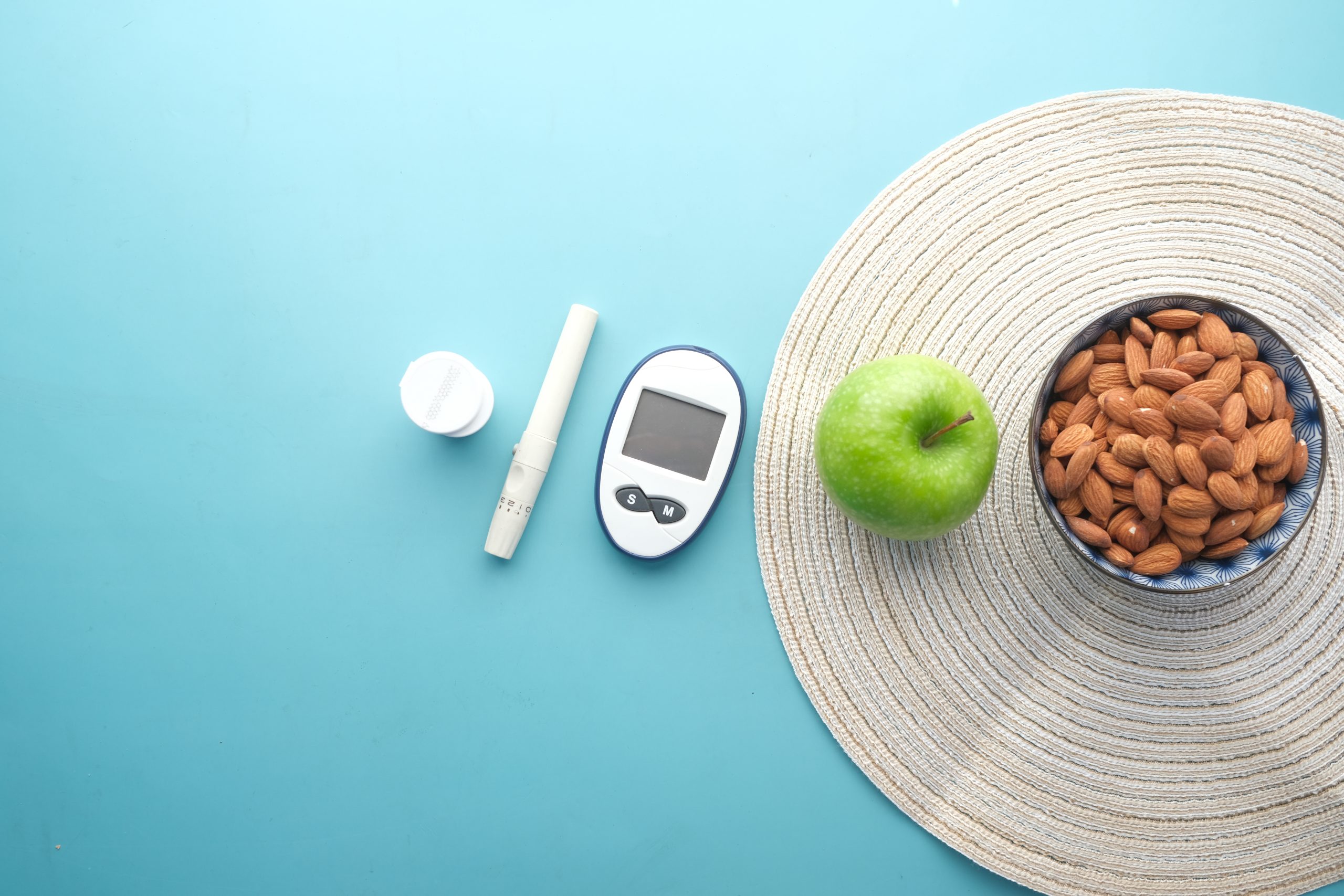
Did you know that, according to the International Diabetes Federation, nearly 26.7% of adults in Pakistan were living with diabetes in 2022, translating to a
 Skip to content

If you or a family member has had an organ transplant, Prograf is not just another medicine on a prescription slip. It is one of the medicines that helps protect the transplanted organ from rejection, which is why any Prograf tacrolimus review should focus on what patients actually need to know – how it works, how it is taken, what can go wrong, and why genuine supply matters.
Prograf contains tacrolimus, an immunosuppressant used after organ transplantation. It is commonly prescribed for kidney, liver, and heart transplant patients, although the exact treatment plan depends on the specialist managing the case. Because tacrolimus has a narrow therapeutic range, small differences in dose, timing, or product quality can affect treatment. That is why patients and caregivers usually ask practical questions first: Is this the right brand? Is it original? Is the dosage correct? Can it be trusted?
Prograf is a branded tacrolimus medicine used to suppress the immune system so the body is less likely to attack a transplanted organ. After a transplant, the immune system recognizes the new organ as foreign tissue. Without immunosuppressive treatment, the risk of rejection increases significantly.
In real-world use, Prograf is rarely the only medicine in a transplant regimen. Many patients take it alongside steroids or other immunosuppressants, especially in the early phase after surgery. This matters because side effects, dose changes, and lab monitoring are often influenced by the full regimen, not only by tacrolimus alone.
For patients, the value of Prograf is clear. It is an established transplant medicine with a long history of specialist use. For caregivers, the main issue is consistency. Missing doses, changing brands without medical advice, or buying from uncertain sources can create avoidable risk.
Tacrolimus reduces the activity of certain immune cells that play a major role in organ rejection. It does not cure the underlying problem of immune recognition. Instead, it keeps the immune response controlled enough to protect the transplanted organ.
That same mechanism also explains the trade-off. A medicine that lowers immune activity can increase susceptibility to infections and may require close monitoring. This is not a flaw unique to Prograf. It is part of how immunosuppressive therapy works.
For many transplant patients, the question is not whether immunosuppression has drawbacks. It does. The real question is whether the medicine is being used correctly, at the right dose, with the right follow-up. In most cases, that is where outcomes are decided.
The most common patient experience with Prograf is not a dramatic feeling after the first dose. In fact, many people do not feel a direct effect at all. That can make adherence harder, especially over time, because the benefit is preventive rather than immediate.
Patients may notice the burden of routine before they notice anything else. Prograf is typically taken on a strict schedule, and specialists often want it taken consistently in relation to meals. Blood tests are usually required to measure tacrolimus levels. Dose adjustments are common, particularly in the early post-transplant period or when other medicines are added.
This is where a practical review matters. Prograf can be highly effective, but it is not a casual medication. It works best when patients follow the same timing every day, avoid self-adjusting the dose, and report any unusual symptoms quickly.
Tacrolimus dosing is individualized. Two patients with the same transplant type may still need different doses based on weight, time since transplant, liver function, interacting medicines, and blood concentration results. That is why one of the most important parts of any Prograf tacrolimus review is a clear reminder: never copy another patient’s dose.
Doctors usually monitor tacrolimus trough levels through lab testing. If the level is too low, rejection risk may rise. If it is too high, toxicity becomes a concern. This narrow balance is one reason specialists are careful about product consistency and prescription control.
Patients should also know that changes in diarrhea, vomiting, liver function, kidney function, or newly prescribed antibiotics and antifungals can affect tacrolimus levels. Even when the prescription itself has not changed, the body’s handling of the medicine may change.
Like other potent transplant medicines, Prograf can cause side effects. Some are manageable. Others need prompt medical attention. The exact risk varies from patient to patient.
Commonly discussed side effects include tremor, headache, nausea, high blood pressure, elevated blood sugar, sleep disturbance, and changes in kidney function tests. Some patients also report stomach discomfort or a general sense of weakness, especially when treatment is first being adjusted.
The more serious concerns usually involve kidney toxicity, significant infection risk, neurologic symptoms, or major blood pressure and blood sugar issues. Long-term immunosuppression may also increase the risk of certain complications that the transplant team watches closely.
None of this means Prograf is a poor choice. It means it is a serious medicine that should be used exactly as prescribed. In transplant care, strong medicines are often necessary because the consequences of under-treatment can be severe.
With many routine medicines, patients may focus mostly on price and convenience. With tacrolimus, authenticity and reliable sourcing are more than a preference. They are part of safe treatment.
Because Prograf is used in high-stakes situations, patients and caregivers usually want reassurance about manufacturer quality, imported authenticity, storage conditions, and prescription handling. This is especially relevant when a product is difficult to find through general retail pharmacies.
A trusted pharmacy should provide clear product details, prescription requirements, and dependable delivery. For patients in Pakistan who need access to original imported specialty medicines, that reassurance can make a real difference. springgreen-oryx-560698.hostingersite.com/ positions itself around that need by offering hard-to-find imported medicines through a more accessible ordering process.
Prograf is suitable for patients whose transplant specialist has prescribed tacrolimus as part of their immunosuppressive regimen. That sounds obvious, but it matters because this is not a medicine for self-diagnosis, self-switching, or casual substitution.
It may be especially appropriate for patients who need a branded tacrolimus product and want confidence in authenticity and consistent supply. Caregivers managing treatment for elderly parents, recent transplant patients, or relatives living away from major hospitals often place a high value on secure sourcing and repeat availability.
What matters most is clinical fit. Some patients do very well on Prograf for years with careful monitoring. Others may need dose changes, additional supportive treatment, or specialist review if side effects become difficult. There is no one-size-fits-all answer, which is why transplant follow-up is continuous.
Patients should only buy Prograf against a valid prescription and should verify the exact strength prescribed by their doctor. They should also check whether the specialist wants the same brand continued without switching. In tacrolimus therapy, that instruction is common and should be taken seriously.
It is also wise to confirm storage instructions, expiry date, and pack details before use. If the packaging looks damaged, if tablets or capsules appear unusual, or if the order does not match the prescribed strength, the medicine should not be used until the pharmacy clarifies the issue.
Another practical point is refill planning. Because transplant medicines should not be interrupted, patients should reorder before their current supply runs low. Last-minute searching creates stress and may increase the risk of missed doses.
Prograf remains a trusted branded tacrolimus option for transplant patients who need precise, specialist-led immunosuppressive treatment. Its value is not in convenience or simplicity. Its value is in helping protect a transplanted organ when used correctly, monitored properly, and sourced from a reliable pharmacy.
If you are purchasing it for yourself or for someone in your care, treat the buying decision with the same seriousness as the dosing schedule: confirm the prescription, confirm the strength, and choose a source that gives you confidence in original imported medicine and dependable availability.
Did you know that, according to the International Diabetes Federation, nearly 26.7% of adults in Pakistan were living with diabetes in 2022, translating to a

Your heart has been working tirelessly since birth, pumping the blood through arteries into your body without rest. When the pressure inside the walls of

It’s normal to feel frustrated and even disappointed when you’re struggling to last longer in bed. It can feel like there’s this invisible pressure to

Modern diets, stress, and busy lifestyles can damage our digestive systems. According to the study, over 40% of people worldwide suffer from digestive disorders. This
Online Dawai
Typically replies within minutes
Any questions related to Prograf Tacrolimus Review for Patients?
WhatsApp Us
Online | Privacy policy
Upload Prescription