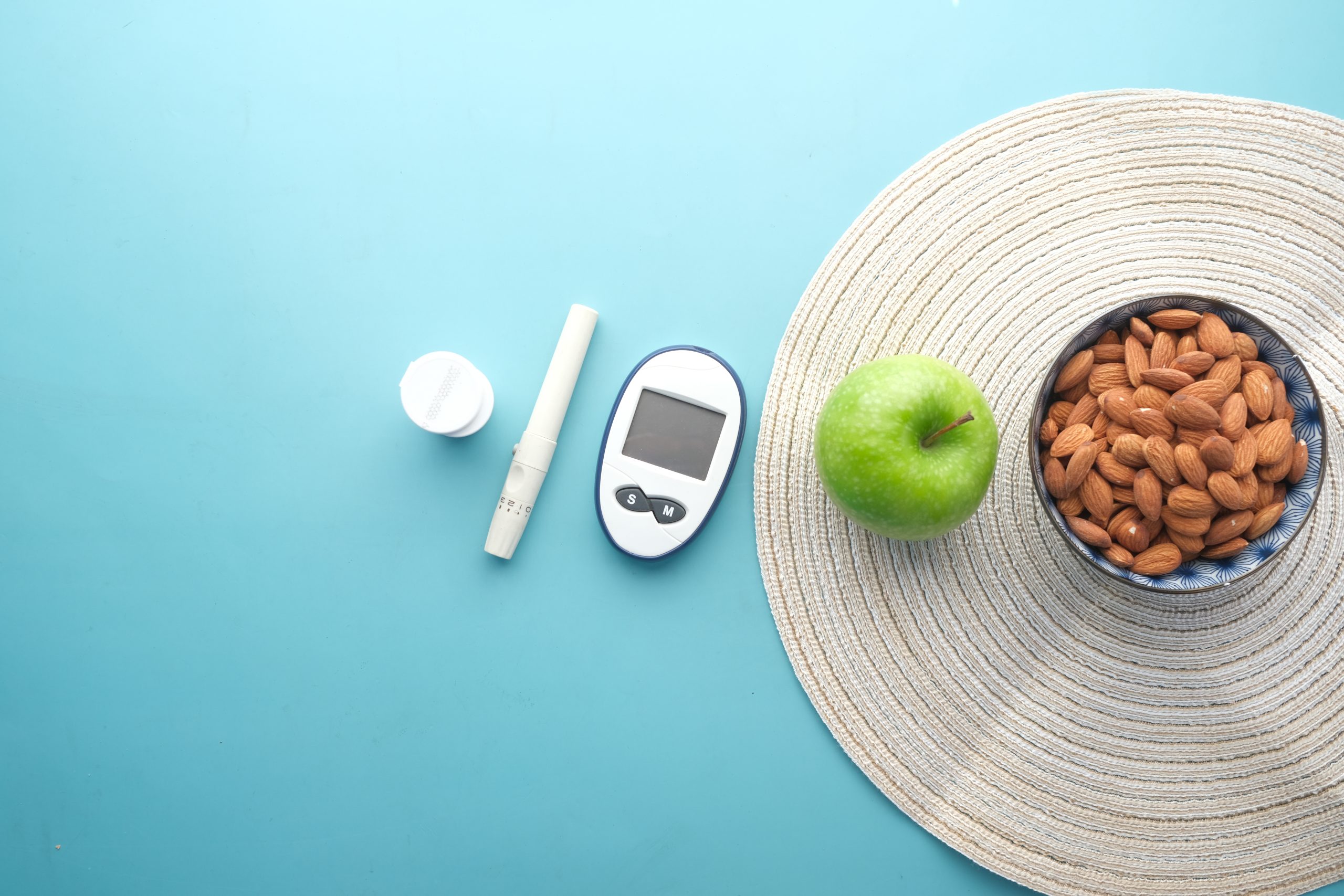
Diabetes Prevention: 7 Tips for Taking Control
Did you know that, according to the International Diabetes Federation, nearly 26.7% of adults in Pakistan were living with diabetes in 2022, translating to a
 Skip to content

When a transplant medicine is difficult to find, the stress is not just about price – it is about staying on schedule without risking the graft. This Prograf tacrolimus review is written for patients and caregivers who need a clear, practical look at what this medicine does, where it fits after transplant, and what to verify before purchasing.
Prograf is a branded form of tacrolimus, an immunosuppressant used to help prevent organ rejection after transplant. It is commonly prescribed after kidney, liver, and heart transplant, though the exact treatment plan depends on the specialist managing the case. The goal is simple: reduce the immune system’s attack on the transplanted organ while keeping drug exposure within a controlled range.
That balance is why Prograf is never a casual medicine. Too little tacrolimus can increase rejection risk. Too much can raise the chance of toxicity, kidney strain, neurological side effects, and infection. In real-world use, that makes consistency more important than convenience. Patients need the exact strength prescribed, reliable supply, and routine monitoring.
Tacrolimus works by suppressing parts of the immune response that would otherwise recognize the transplanted organ as foreign. In practice, it is often used as part of a broader anti-rejection regimen rather than as a stand-alone treatment. A patient may also be on steroids, mycophenolate, or other transplant medicines depending on the stage after surgery and the transplant center’s protocol.
What matters most for patients is that tacrolimus has a narrow therapeutic window. That means the difference between an effective level and a harmful level can be small. This is one reason transplant teams are usually strict about timing, blood tests, and avoiding unsupervised changes.
From a patient and caregiver perspective, Prograf’s main strengths are familiarity, specialist trust, and predictable use when it is sourced correctly and taken exactly as prescribed. Many transplant patients know tacrolimus by name because it is central to long-term graft protection. A branded option like Prograf may be preferred in some cases when the treating doctor wants consistency in formulation and response.
The trade-off is that tacrolimus is a medicine that demands discipline. It is not forgiving if doses are missed frequently, taken at irregular times, or mixed with interacting medicines without review. It also requires prescription control and follow-up testing, so access matters, but medical supervision matters more.
Prograf is generally prescribed for transplant patients under specialist care. It is not suitable for self-diagnosis or general immune problems unless a qualified doctor has specifically advised its use. For many buyers, the real decision-maker is not the patient alone but the transplant consultant who has set the strength, schedule, and target blood level.
Caregivers often handle refill planning, especially for older adults or patients recovering after surgery. In those situations, a useful review should focus less on marketing language and more on practical questions: Is this the exact brand and strength prescribed? Is the stock original imported medicine? Is a prescription required? Can supply be arranged on time for uninterrupted use?
One of the biggest mistakes with tacrolimus is assuming that a previous dose will always remain correct. Dosing is individualized and can change based on time since transplant, lab results, kidney function, liver function, side effects, other medicines, and even diet patterns. That is why two transplant patients may both use Prograf but take very different amounts.
Patients should also understand that taking tacrolimus with or without food can affect absorption. Doctors often advise keeping the routine consistent rather than switching back and forth. The exact instruction should come from the prescriber, and once given, it should be followed closely.
If a dose is missed, the right response depends on how much time has passed and what the doctor has advised before. Doubling up without guidance is risky. For a medicine like Prograf, routine and accuracy are part of treatment.
A fair Prograf tacrolimus review has to include side effects, because this medicine is effective but not light. Common concerns may include tremor, headache, nausea, diarrhea, high blood pressure, raised blood sugar, kidney function changes, and increased susceptibility to infection. Some patients notice sleep disturbance or tingling. Others may feel generally well but show changes only on lab testing.
That is the key point: absence of symptoms does not always mean the dose is perfect. Tacrolimus problems can appear in blood work before a patient feels anything obvious. Kidney function, tacrolimus trough levels, electrolytes, and other monitoring markers are part of safe use.
There is also an infection-related trade-off with all immunosuppressants. The medicine helps protect the transplant, but by suppressing immune activity, it can make the patient more vulnerable to infections. This does not mean the medicine is wrong. It means the patient needs careful follow-up, early attention to fever or unusual illness, and good coordination with the treating team.
Tacrolimus is known for clinically important drug interactions. Some antibiotics, antifungals, seizure medicines, and even common over-the-counter products can change tacrolimus levels. Herbal products can also be a problem. Grapefruit and grapefruit juice are often discussed because they may increase tacrolimus exposure.
This is where pharmacy guidance becomes valuable. Before starting any new medicine, including something for acidity, pain, infection, or supplements, transplant patients should confirm compatibility with their doctor or pharmacist. That extra step can prevent costly and dangerous swings in drug levels.
When purchasing a transplant medicine, the review should not stop at the molecule. Supply quality matters. Patients and caregivers should verify the brand name, strength, pack details, manufacturer information, and prescription requirement. Imported specialty medicines should come with clear product identification and proper handling.
For high-stakes medicines like Prograf, the buying experience should reduce uncertainty, not add to it. A dependable pharmacy source should make it easier to confirm that the product is original imported medicine, available in the prescribed strength, and supplied through a proper channel. If stock is limited in local markets, an online specialty pharmacy can be especially useful because it helps patients avoid refill gaps.
For buyers in Pakistan who struggle to source specialist transplant medicines from routine retail counters, services such as springgreen-oryx-560698.hostingersite.com/ can be helpful when they offer prescription-based ordering, authentic imported stock, and secure delivery. That convenience matters most when continuity of therapy is non-negotiable.
For many transplant patients, the answer is yes – if it is the brand prescribed by their specialist and used under regular monitoring. Prograf has a long-established place in transplant care, and tacrolimus remains a cornerstone anti-rejection medicine. In that sense, the review is positive.
Still, the right answer is not universal. Some patients tolerate one regimen better than another. Some may need dose adjustments, alternative formulations, or closer lab monitoring because of side effects or interactions. So the better question is not whether Prograf is good in general, but whether it is appropriate for your specific transplant plan.
If you are purchasing Prograf for yourself or a family member, keep the prescription updated, order before the current pack runs low, and check that the strength matches the doctor’s instructions exactly. Do not switch brands, strengths, or dosing schedule casually. If the appearance of the pack or capsule differs from prior supply, confirm before use.
Store the medicine as directed on the packaging and keep a record of dose timing and lab appointments. Patients who do best on tacrolimus are often the ones who treat routine as part of the therapy. That may sound strict, but with transplant medicines, consistency protects outcomes.
A helpful final thought: the best Prograf review is not just whether the medicine is effective on paper – it is whether you can get the prescribed original product on time, take it correctly every day, and stay connected to the monitoring that keeps your transplant safe.
Did you know that, according to the International Diabetes Federation, nearly 26.7% of adults in Pakistan were living with diabetes in 2022, translating to a

Your heart has been working tirelessly since birth, pumping the blood through arteries into your body without rest. When the pressure inside the walls of

It’s normal to feel frustrated and even disappointed when you’re struggling to last longer in bed. It can feel like there’s this invisible pressure to

Modern diets, stress, and busy lifestyles can damage our digestive systems. According to the study, over 40% of people worldwide suffer from digestive disorders. This
Online Dawai
Typically replies within minutes
Any questions related to Prograf Tacrolimus Review for Transplant Use?
WhatsApp Us
Online | Privacy policy
Upload Prescription