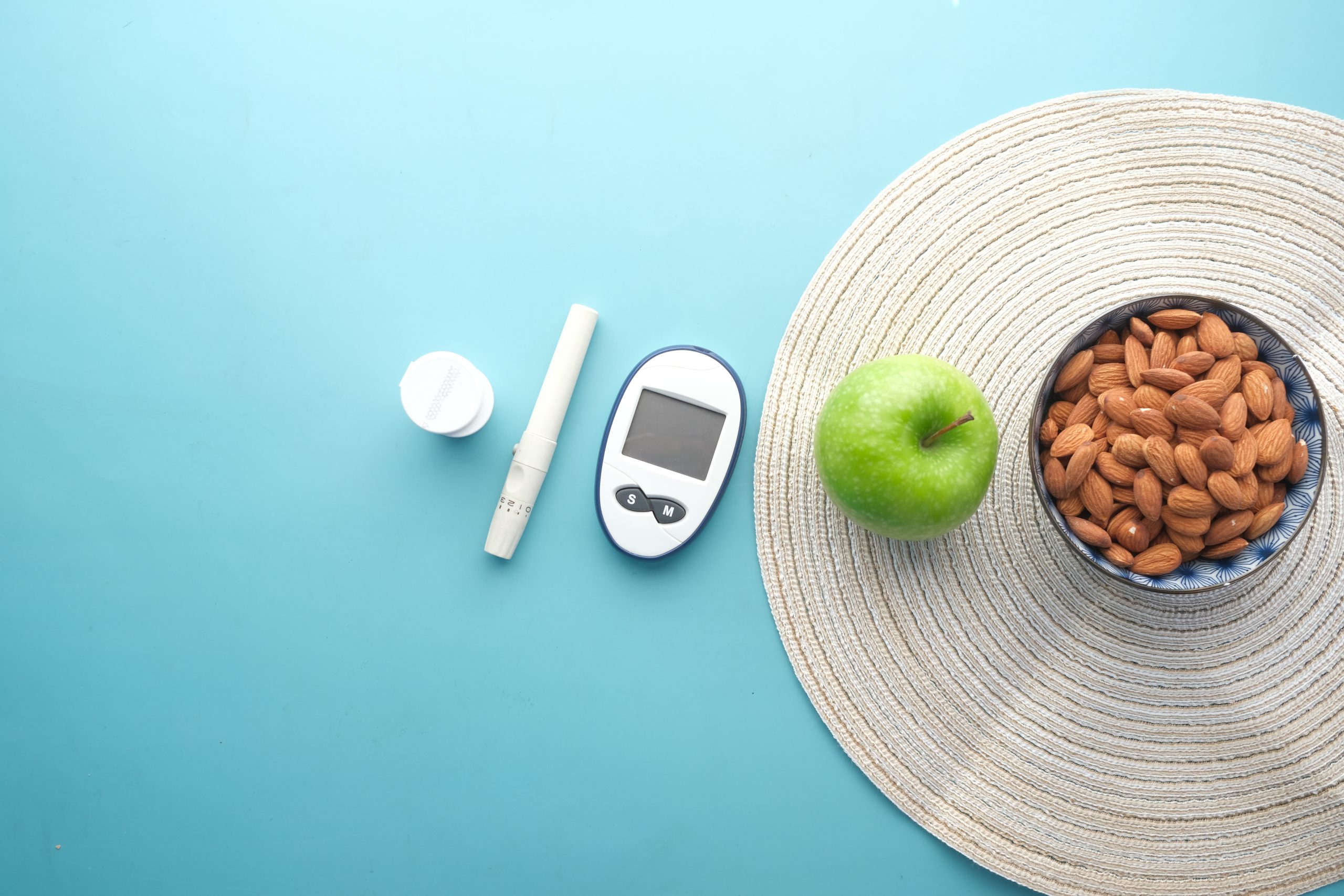
Diabetes Prevention: 7 Tips for Taking Control
Did you know that, according to the International Diabetes Federation, nearly 26.7% of adults in Pakistan were living with diabetes in 2022, translating to a
 Skip to content


It happens in almost every single household. The fever is down, so the antibiotics get left halfway. The blood pressure reading looks fine, so the tablet gets skipped “just for today.” The painkiller isn’t working fast enough, so an extra one goes down with tea. A neighbour says her sugar tablet works better at a double dose, so you try the same.
These decisions feel small and sensible in the moment. But medicine doses aren’t random numbers. They’re worked out carefully for your body, your condition, and the other medicines you take. This article explains why you should never change your medicine dose on your own, what can go wrong, and what to do instead when a medicine doesn’t seem right.
When a doctor writes a prescription, they’re balancing several factors at once:
The aim is to give enough medicine to work, but not so much that it causes harm. Change one part of that balance, and the whole picture shifts. That’s why a dose that suits one person can be wrong for another, even with the same condition.
More medicine doesn’t mean faster or better results. With many medicines, a higher dose simply means more side effects. With some, it can be dangerous.
Cutting a dose to “make the strip last longer” or because you feel better can mean the medicine stops working properly. Your condition may slowly get worse without obvious warning signs, especially with high blood pressure, diabetes, or thyroid problems.
Some medicines need to be reduced gradually under medical supervision. Stopping them abruptly can trigger withdrawal effects or a rebound of symptoms. This applies to certain:
Feeling better doesn’t always mean the infection is fully gone. Stopping antibiotics early can let the infection come back and contribute to antibiotic resistance, which is a growing problem in Pakistan and worldwide. Always finish the course your doctor has prescribed, unless they tell you otherwise.
Most people don’t change their dose carelessly. They usually have a reason, and it’s worth recognising those reasons.
| Reason | Why It’s Risky | What to Do Instead |
|---|---|---|
| “I feel better now” | The condition may still need treatment | Ask your doctor if the dose can be reviewed |
| “It’s not working fast enough” | Many medicines take days or weeks to act | Ask how long it should take before judging |
| “The side effects are bothering me” | Stopping suddenly can cause other problems | Report side effects; alternatives may exist |
| “It’s too expensive” | Skipping doses reduces effectiveness | Ask about a registered generic option |
| “Someone else takes a higher dose” | Every patient’s needs are different | Follow your own prescription only |
Some medicines have a very narrow gap between a helpful dose and a harmful one. With these, even small changes can matter a lot.
Medicines like warfarin need regular blood tests to keep the dose right. Too much raises the risk of bleeding; too little raises the risk of clots.
Wrong doses can cause very low or very high blood sugar, both of which can be serious.
Levothyroxine doses are adjusted carefully based on blood tests. Guessing can lead to symptoms of either an underactive or overactive thyroid.
Changing or stopping these without guidance can increase the risk of seizures.
It’s completely reasonable to have concerns about a medicine. The safe approach is to talk, not to adjust on your own.
Missing a dose happens to everyone, especially on busy days or while travelling. The general rule is not to double up the next dose to make up for it. Some medicines can be taken as soon as you remember; others should simply be skipped if the next dose is close. The patient information leaflet usually explains this, and your pharmacist can confirm what’s right for your specific medicine.
Some people are more sensitive to dose changes than others.
Children’s doses are often based on weight and age. Using an adult tablet, guessing a syrup amount, or giving an “extra spoon” can easily lead to an overdose. Always use the measuring cup or syringe that comes with the medicine.
As we age, the kidneys and liver clear medicines more slowly, and many older people take several medicines together. This makes them more likely to have side effects or interactions if doses change. Family members helping with medicines should follow the prescription exactly.
Some medicines need different doses or need to be changed during pregnancy. Others pass into breast milk. Never adjust or start a medicine during this time without speaking to your doctor.
Many people in Pakistan use desi totkay, herbal products, or supplements alongside prescribed medicines. Some of these can affect how your medicine works. For example, certain herbal products can change how blood thinners or diabetes medicines behave. Tell your doctor and pharmacist about everything you take, even if it seems natural or harmless.
A good conversation with your doctor can clear up most worries. Consider asking:
In many families, medicine advice gets passed around like recipes. A cousin’s doctor gave a higher dose. A friend stopped her tablets and felt fine. An uncle swears by taking two instead of one. These stories come from a good place, but they leave out the details that matter.
That person may have a different weight, different kidney function, a different stage of the same condition, or a completely different diagnosis that only looks similar. They may also be taking other medicines that change how theirs works. A dose that suits them can be too much or too little for you.
The same goes for advice from social media videos and forums. General information can help you understand your condition better, but it can’t replace a doctor who knows your history. Use what you learn online to ask better questions, not to change your treatment on your own. Your doctor can then explain whether that information actually applies to you.
Your prescription is much more than a piece of paper. It’s a plan built around your body and your health. If something doesn’t feel right, the safest step is always to speak to your doctor or pharmacist before you change your medicine dose. Small, honest conversations prevent big problems. To avoid running short and being tempted to stretch your doses, you can order your regular medicines online and have them delivered on time.
Not without asking your doctor. Some conditions need ongoing treatment, and some medicines must be reduced gradually to avoid withdrawal or rebound effects.
No. Extra doses can cause side effects or harm. Talk to your doctor about whether the dose or medicine needs changing.
Don’t double the next dose. Check the patient leaflet or ask your pharmacist whether to take it now or skip it.
Stopping early can let the infection return and helps bacteria become resistant, making future infections harder to treat.
A pharmacist can advise you and contact your doctor, but dose changes for prescription medicines should be agreed with the prescribing doctor.
Did you know that, according to the International Diabetes Federation, nearly 26.7% of adults in Pakistan were living with diabetes in 2022, translating to a

Your heart has been working tirelessly since birth, pumping the blood through arteries into your body without rest. When the pressure inside the walls of

It’s normal to feel frustrated and even disappointed when you’re struggling to last longer in bed. It can feel like there’s this invisible pressure to

Modern diets, stress, and busy lifestyles can damage our digestive systems. According to the study, over 40% of people worldwide suffer from digestive disorders. This
Online Dawai
Typically replies within minutes
Any questions related to Why You Should Never Change Your Medicine Dose Without Medical Advice?
WhatsApp Us
Online | Privacy policy
Upload Prescription